Diamond Education
Lab-grown, fully real: what the science actually says
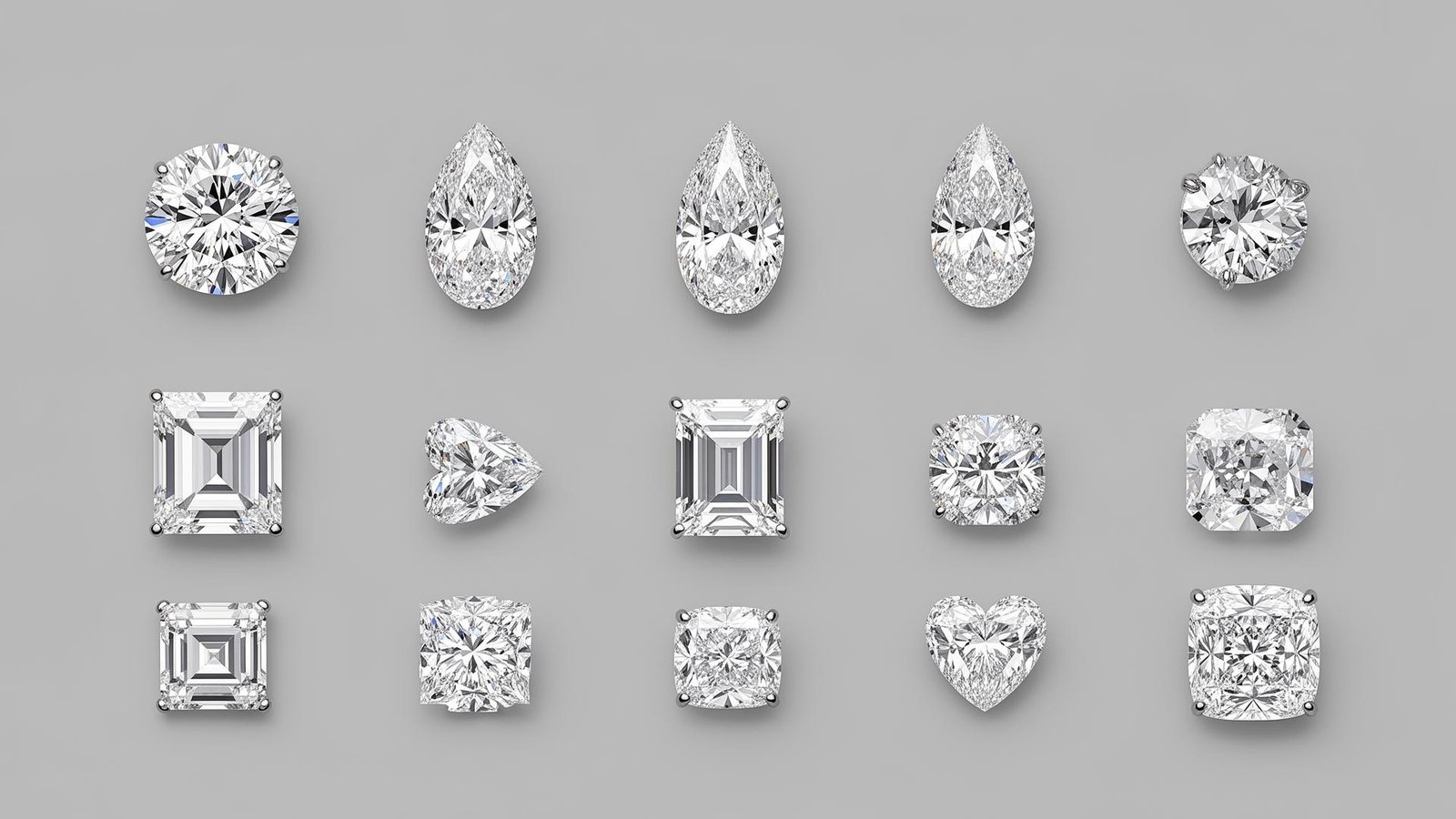
There is a persistent myth that a lab-grown diamond is a "fake" diamond, something closer to cubic zirconia or glass. It is worth clearing up, because the truth is both simpler and far more interesting than the myth.
Same carbon, same crystal
A mined diamond is pure carbon arranged in a cubic lattice, formed under enormous heat and pressure. A lab-grown diamond is the same carbon in the same lattice, formed under the same conditions - only those conditions are recreated in a laboratory in Surat rather than found kilometres beneath the earth. Chemically, optically and physically, the two are the same material. A gemologist cannot tell them apart by eye; it takes specialist equipment reading the faint signatures of how the crystal grew.
How it is grown
There are two methods, and both start with a tiny slice of diamond - a seed.
- HPHT (high pressure, high temperature) mimics the earth's own recipe, pressing carbon around the seed at extreme heat.
- CVD (chemical vapour deposition) grows the crystal layer by atomic layer from a carbon-rich gas, in a chamber not unlike a small furnace.
Weeks later, a rough diamond emerges - which is then cut and polished exactly as a mined stone would be.

What that means for you
- The same hardness - a 10 on the Mohs scale, the hardest natural material there is.
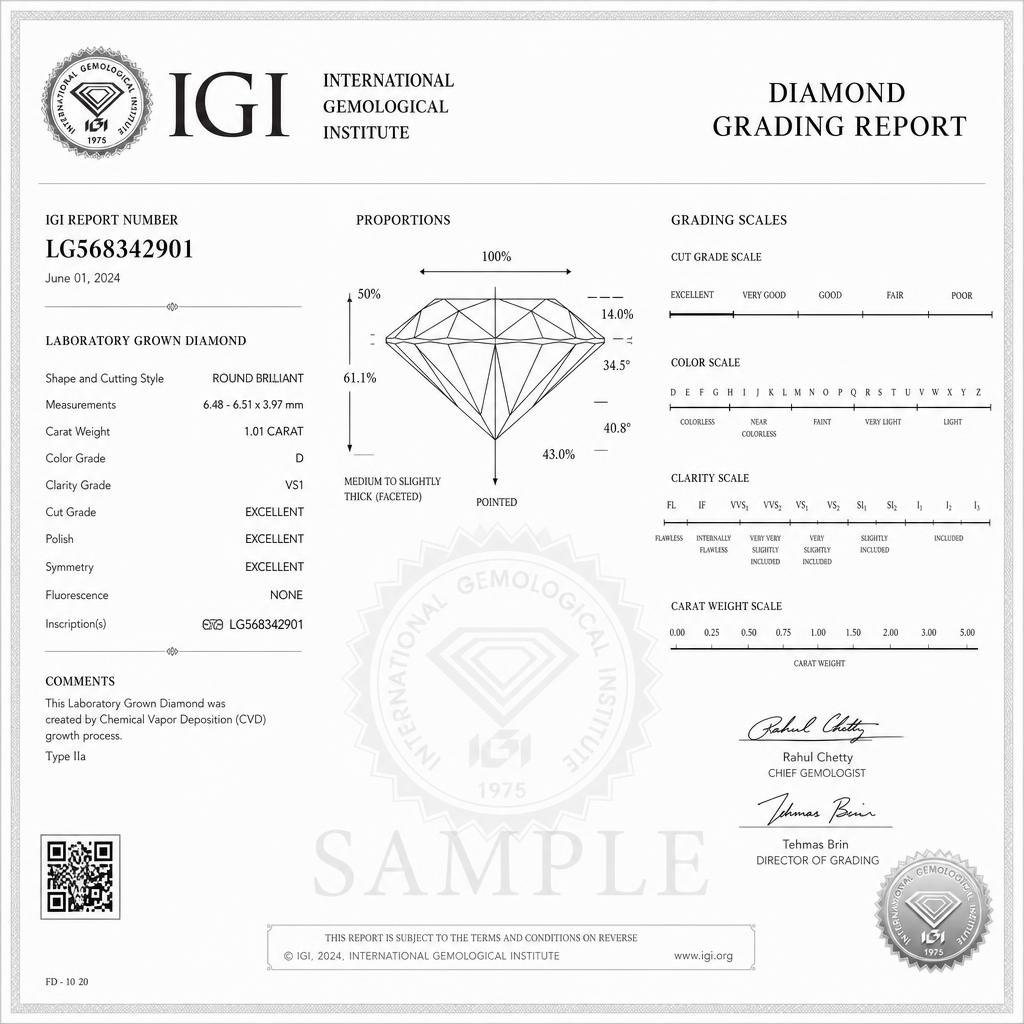
- The same brilliance, fire and scintillation, graded on the identical IGI scale.
- A far gentler footprint, no mining, and a great deal more carat for your budget.
So when someone calls a lab-grown stone "not a real diamond", the science quietly disagrees. It is a diamond in every way that a diamond is a diamond - just one whose origin we can account for, honestly, from seed to setting.