Styling
Choosing a carat that lives with you
The first instinct is to ask how large a stone can be. A better question - the one that leads to a piece you actually love in five years - is how a stone will live: on your hand, through your days.
Hand and proportion
A carat does not exist in isolation; it sits against a finger, a wrist, a collarbone. On a slender hand a half-carat can read beautifully generous, while the same stone reads modest on a broader hand. It is proportion, not just weight - which is why the number on a certificate tells you so much less than the stone on your hand.
The life it has to lead
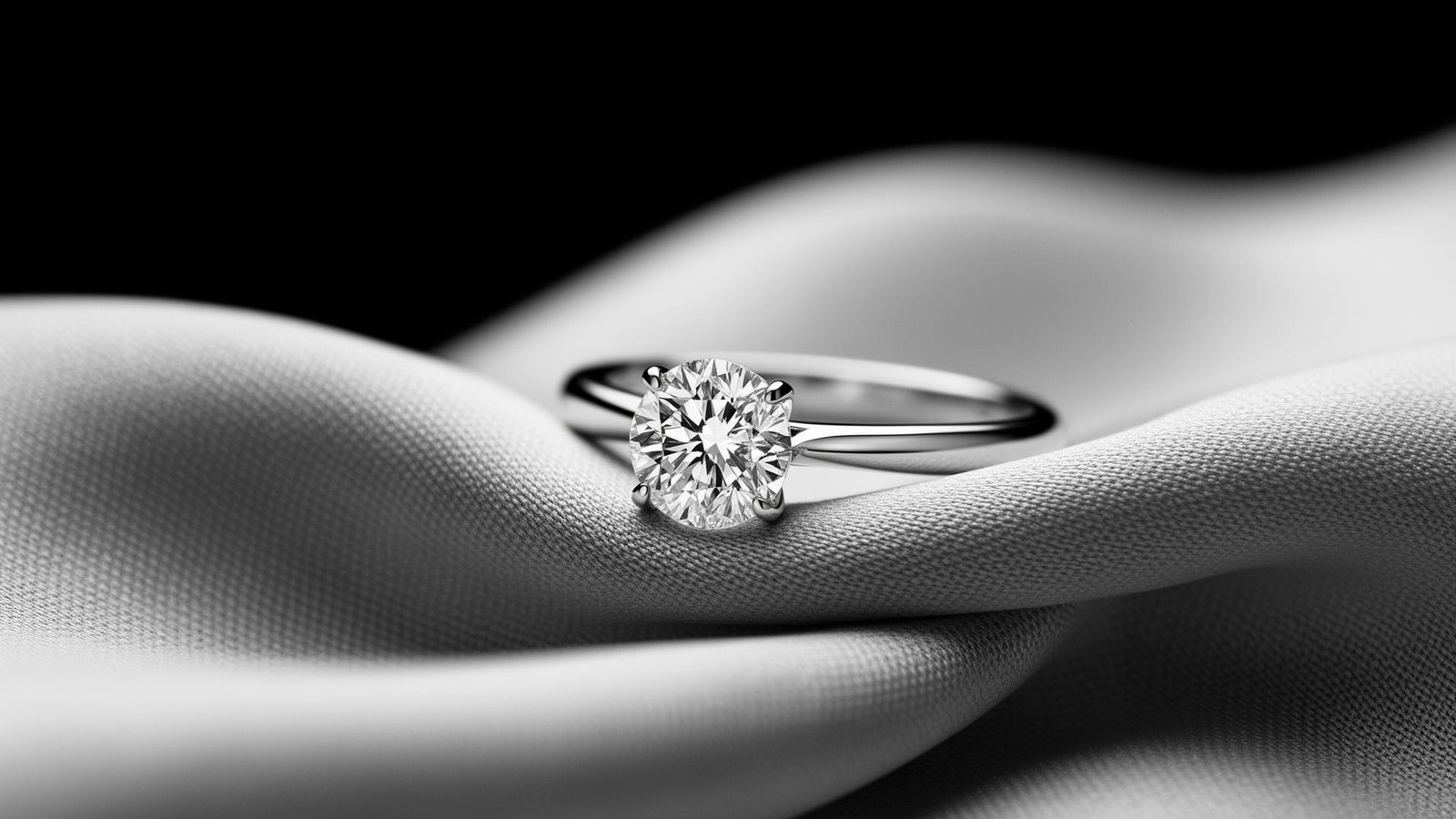
A ring worn to type, to cook, to carry a child wants a lower, secure setting and a carat that will not catch. A piece kept for evenings can afford more height and more drama. Neither is more correct - they are answers to different questions, and the right answer is simply the honest one about your days.
A note on budget
Because our diamonds are lab-grown, the usual maths shifts in your favour: the same budget buys noticeably more carat, or the same carat at a finer cut and colour. Our quiet advice is to spend the difference on cut - it is what makes a stone come alive - and let the size follow your hand.
When in doubt, come and try. A stone on a screen and a stone on your hand are two very different things, and only one of them matters.